Scout, then share
We ride a route ourselves before recommending it. That way the distance, surface and tricky junctions described on a ride card reflect what you will actually meet.
Before any group rolls out, a fair amount of planning has already happened. This page explains how we research routes, run simple bike checks and agree the small habits that keep a group safe and sociable.
These principles shape every route we publish and every meet-up we host. They are practical, not prescriptive.
We ride a route ourselves before recommending it. That way the distance, surface and tricky junctions described on a ride card reflect what you will actually meet.
If a loop has a steep section or a busy crossing, we say so. Clear information lets each rider choose what feels comfortable.
We follow the Highway Code, use lights when needed and keep to sensible group sizes so we share the road considerately.
Weather, roadworks and group size all change a plan. We would rather shorten a route than push through poor conditions.
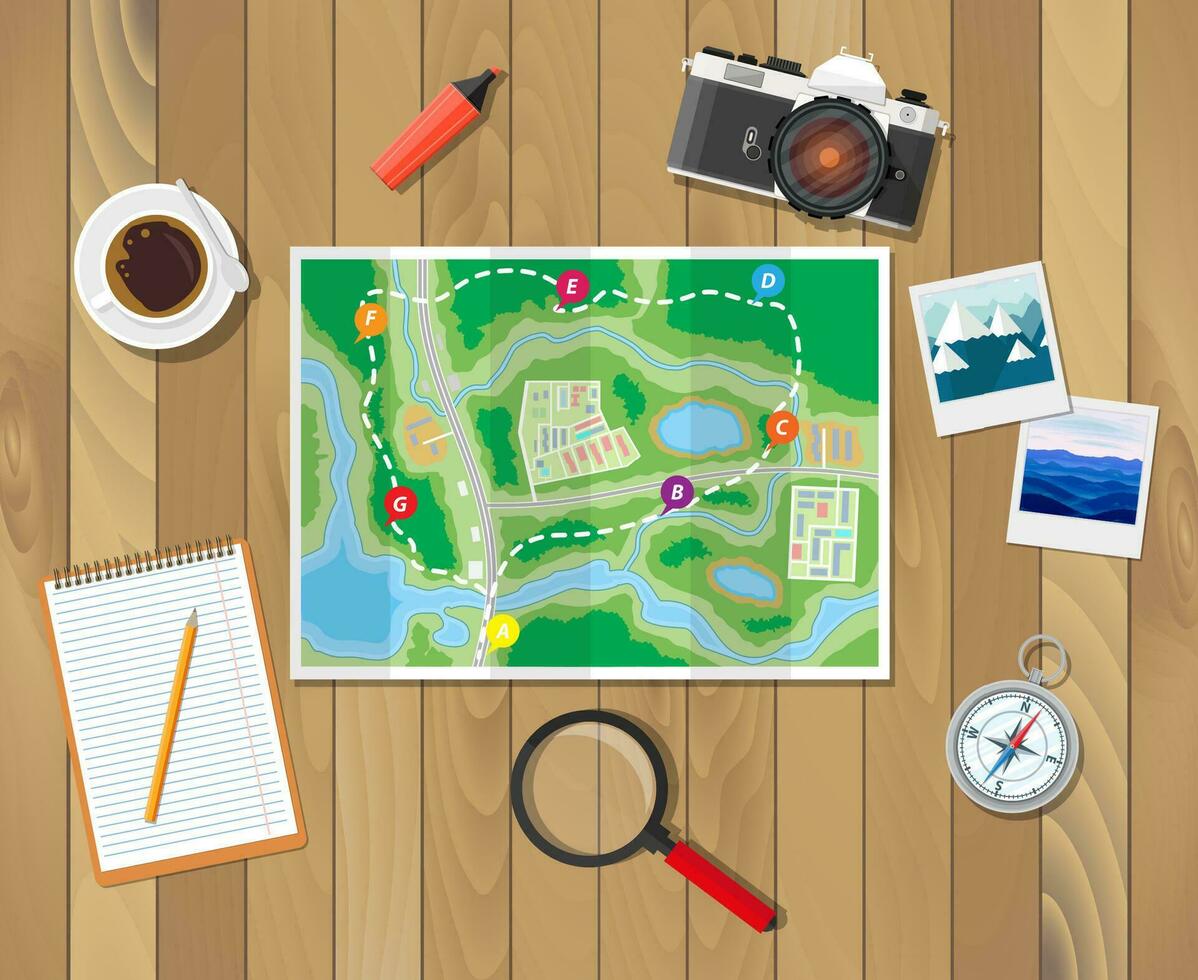
A route begins as an idea and only becomes a ride once it has been tested. We look at traffic, surface and places to pause, then write notes that travel with the ride.
We sketch a loop that favours quiet lanes and traffic-free paths.
We note surface changes, junctions and natural regroup points.
Distance, elevation and stops are recorded in plain language.
A two-minute look-over makes a group ride smoother for everyone. This is general guidance to read alongside your bike manufacturer's instructions.
Check they are inflated within the range printed on the sidewall and look for obvious cuts or wear.
Squeeze each lever to confirm the wheel stops cleanly and the lever does not pull to the bar.
Carry working front and rear lights, and make sure your helmet and saddle feel secure.
Riding in a group has its own rhythm. A few shared habits make it predictable and pleasant for everyone.
Point to potholes and call obstacles down the line so riders behind can react in good time.
Ride predictably and avoid sudden moves so the wheels around you stay steady.
We regroup after climbs and greet newcomers so nobody rides alone unless they choose to.
Mixed conditions mean we suggest layers you can remove and mudguards where the route is likely to be wet. Routes often favour sheltered lanes.
Longer daylight opens up the Lantern Loop and earlier start times. We remind riders to carry water and plan a café stop for shade.
We keep distances modest, favour daylight hours and cancel when surfaces are likely to be icy. Lights become essential rather than optional.
Tell us roughly how far you would like to ride and we will point you to a format and a set of route notes to read at your own pace.
Ask about a route